
Isometric Exercises for Tendon Pain: Relief, Recovery, and Strength
Tendon pain can make everyday tasks and exercise feel challenging, but isometric exercises offer a safe and effective way to reduce symptoms and support healing. By holding controlled, static muscle contractions, isometrics help decrease pain, improve tendon load tolerance, and maintain strength without aggravating the injury. When integrated into a structured physiotherapy program, they play a key role in restoring tendon health and guiding you back to comfortable, confident movement.
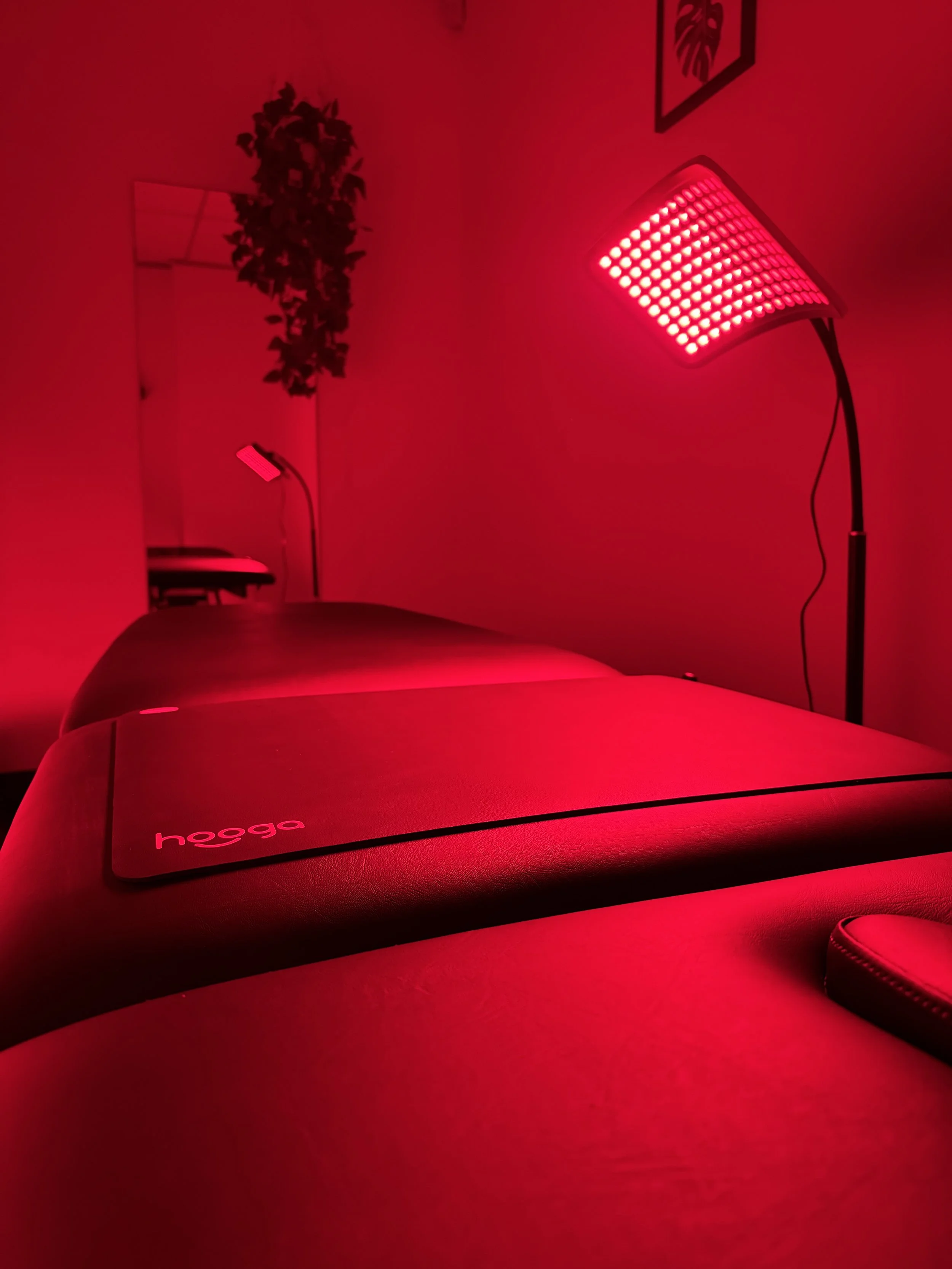
Heal Faster, Reduce Pain, and Boost Recovery
Discover how Red Light Therapy can help you heal faster, reduce pain, and boost overall recovery. This safe, non-invasive treatment uses targeted light to increase cellular energy, improve circulation, and accelerate tissue repair—making it an ideal complement to physiotherapy, osteopathy, massage, and athletic rehab. If you’re looking for effective pain relief and enhanced healing, Red Light Therapy is a powerful addition to your wellness routine.
Take Care of Your Health Like You Take Care of Your Car, Home, and Clothes
We often maintain our cars, homes, and belongings with care—yet many of us overlook the same proactive approach when it comes to our health. Just like regular maintenance prevents costly repairs, preventive check-ups, movement, proper nutrition, and stress management help you avoid pain, injury, and long-term issues. By treating your body like your most valuable asset, you can stay strong, mobile, and well for years to come.
The Benefits of Magnesium and Vitamin D for Health and Wellness
Magnesium and vitamin D are two essential nutrients that play a major role in muscle function, bone health, immune support, and overall energy. Yet many people don’t get enough, which can affect recovery, performance, and long-term wellness. Ensuring adequate levels—through nutrient-rich foods, sunlight, and guided supplementation—can help reduce muscle soreness, improve healing, and support a stronger, healthier body.
Understanding Psychosocial Difficulties During Recovery from Pain
Pain recovery isn’t just a physical process—emotional and psychological factors play a major role too. Fear of movement, anxiety, stress, and low motivation can all influence how the body heals and how confidently someone returns to activity. By addressing these psychosocial challenges alongside structured physiotherapy, individuals can reduce setbacks, improve resilience, and move forward with greater clarity and confidence throughout their recovery journey.
Stress Incontinence in Women During Exercise: Causes, Management, and Treatment
Stress urinary incontinence is common among women, especially during exercise or daily activities that increase abdominal pressure. While often overlooked, it’s highly treatable. Leakage typically occurs when the pelvic floor muscles are weakened or not coordinating effectively. With proper assessment, targeted pelvic floor exercises, and guidance from a pelvic health physiotherapist, women can reduce symptoms, improve bladder control, and regain confidence in both movement and everyday life.


